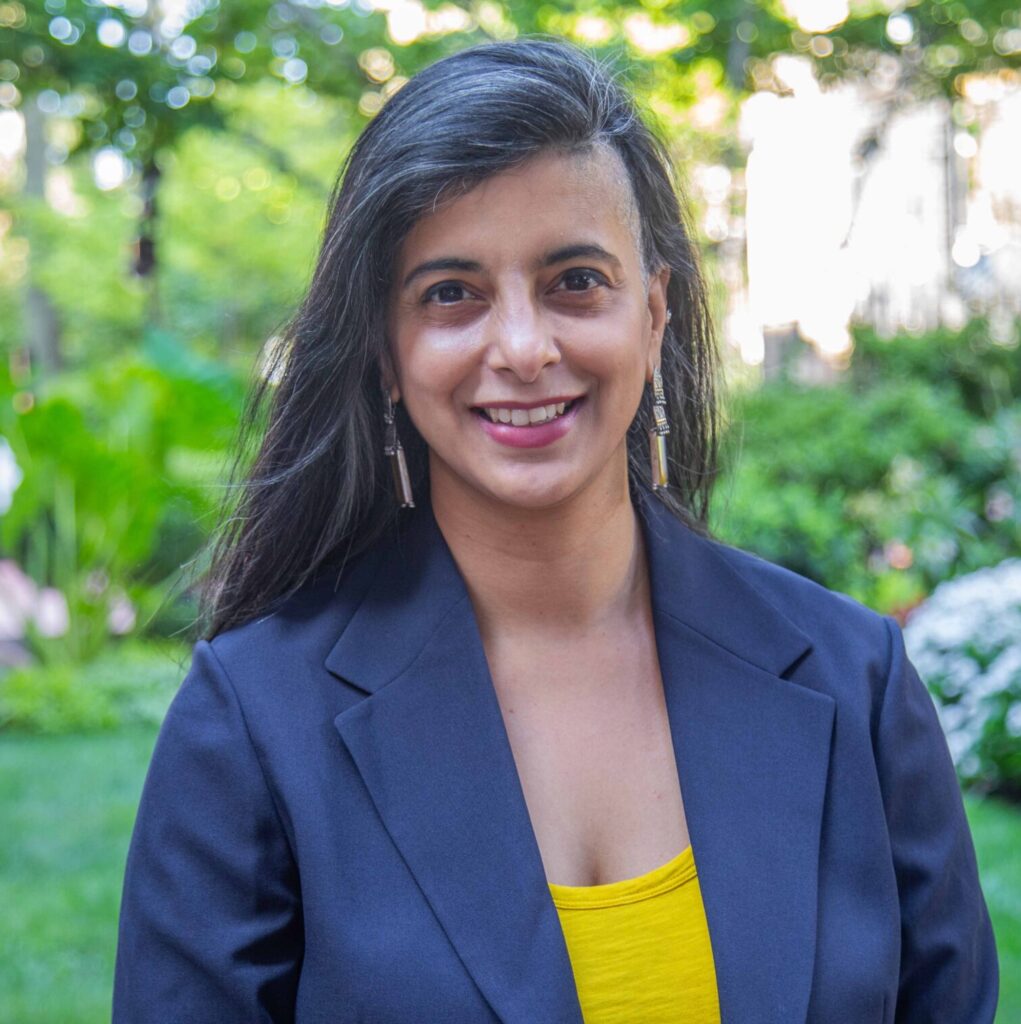
Senior Lecturer in Theatre • Barnard College & Columbia University
A documented record of turning academic positions into platforms for radical narratives, active involvement with anti-Zionist groups, and public defense of unlawful campus disruptions.
Documented Record of Op-Eds, Walkouts, and Public Conduct
Authored an op-ed openly criticizing the suspension of Students for Justice in Palestine (SJP) and Jewish Voice for Peace (JVP). Portrayed these organizations as victims of institutional censorship and stated her intention to participate in a faculty-led walkout in protest.
Joined the “Faculty Walkout” rally on campus, publicly defending students who had been arrested for property damage and unlawful disruptions at Columbia.
Publicly posted regarding the unlawful takeover and occupation of Hamilton Hall, declaring: “For 22 hours we had Hind’s Hall.”
Helped organize and spoke at “The People’s Graduation for Palestine,” a staged alternative commencement event organized outside official campus channels.
Co-hosted the "Remembering Refaat" event at Columbia’s Middle East Institute, commemorating Refaat Alareer and framing resistance narratives through the lens of performance and poetry.
Mitra is an active member of Faculty and Staff for Justice in Palestine – Columbia/Barnard Teachers (FSJP-CBT):
Mitra has engaged in public events and programming organized by external entities:
Beyond internal campus organizing, Mitra has repeatedly acted as a public commentator on police responses:
THEATRE STUDIES & POLITICAL ADVOCACY
Faculty members in the humanities and arts hold a responsibility to foster open intellectual debate, encourage critical thinking, and support a respectful learning environment for all enrolled students. As a faculty member in Theatre and Performance Studies, Shayoni Mitra’s integration of activist agendas into professional and campus spaces raises vital questions regarding instructional boundaries.
When academic platforms are leveraged to endorse unauthorized building occupations, defend suspended student groups, or promote one-sided political rhetoric, the environment for balanced scholarly inquiry is diminished. Protecting academic integrity requires institutional leadership to ensure that classroom instruction remains grounded in rigorous pedagogy rather than partisan activism.
Ensuring that academic positions are not used to promote policy violations or compromise classroom inclusivity is vital for student well-being and institutional standing.
Students, alumni, parents, and community members are encouraged to express their concerns regarding faculty conduct, adherence to campus rules, and instructional neutrality directly to Barnard College leadership.
Request administrative review when faculty members publicly endorse or participate in non-compliant campus occupations.
Ensure performance and theatre studies courses maintain academic standards without political bias.
Safeguard all students from politically charged learning environments that foster exclusion or hostility.
Require clear university guidelines regarding faculty participation in unauthorized walkouts or disruptions.
Notice: This dossier compiles public records, published op-eds, and documented actions. All correspondence sent to university leadership should be professional, respectful, and focused on institutional governance.